Opening Sebastião Salgado @ Natural History Museum London
12 Apr, 2013
Read in English below | Leia em portugês aqui
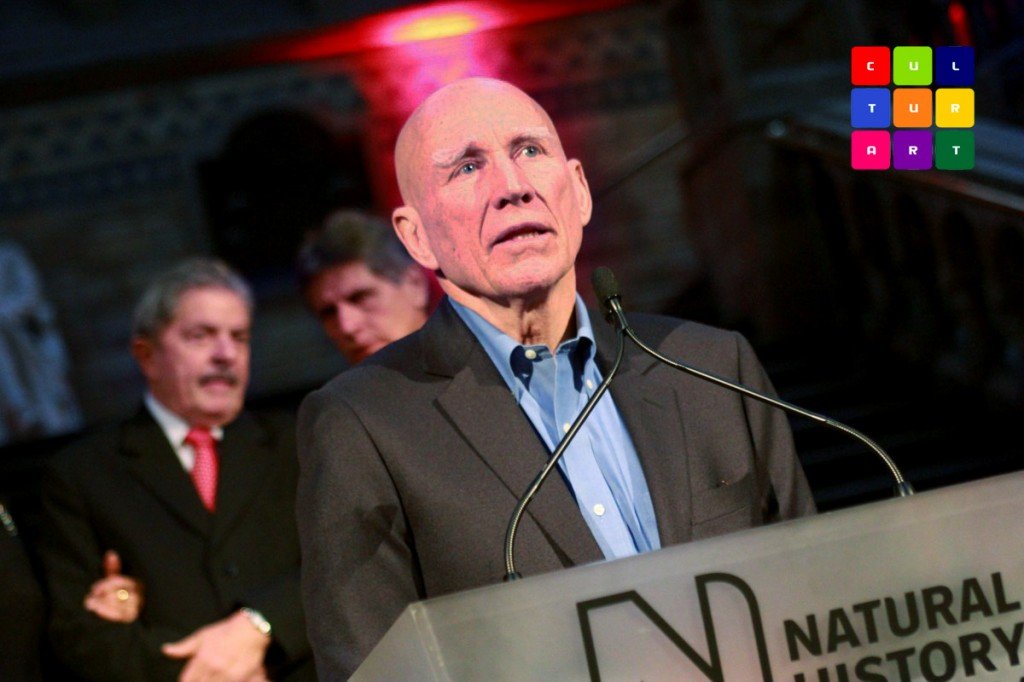
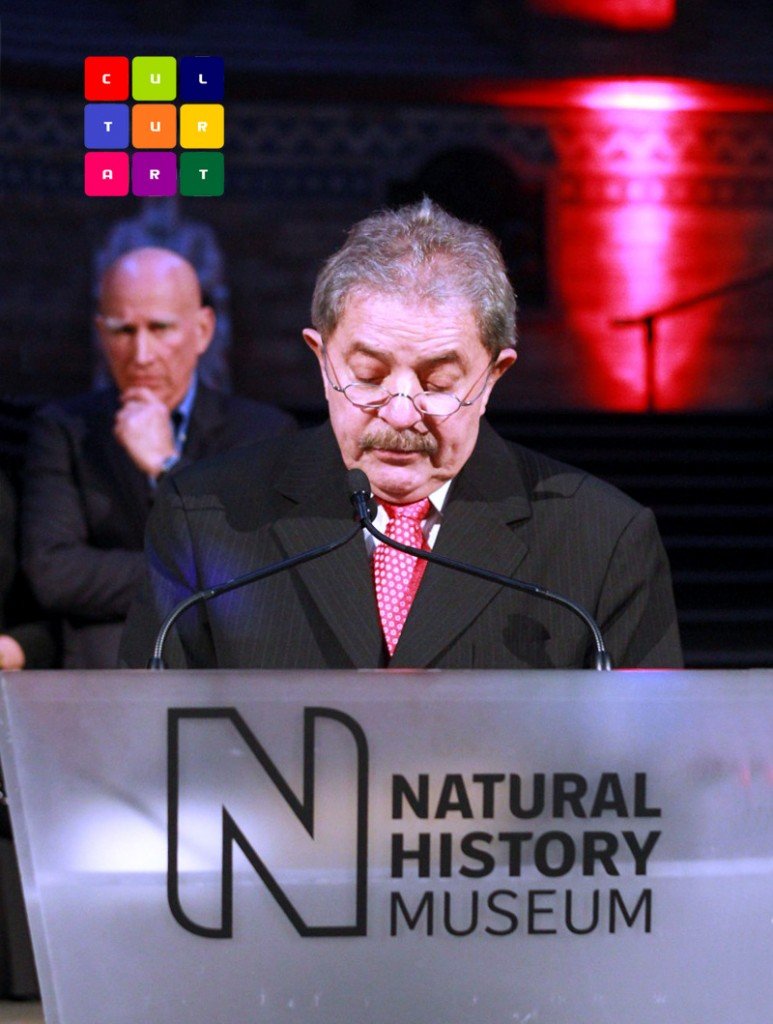
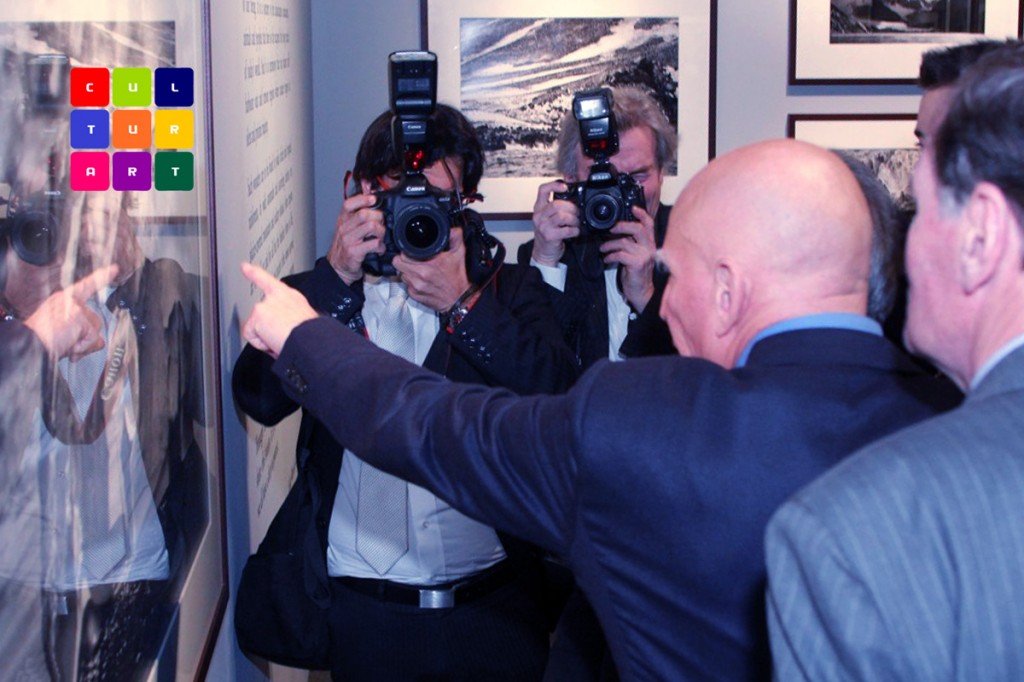
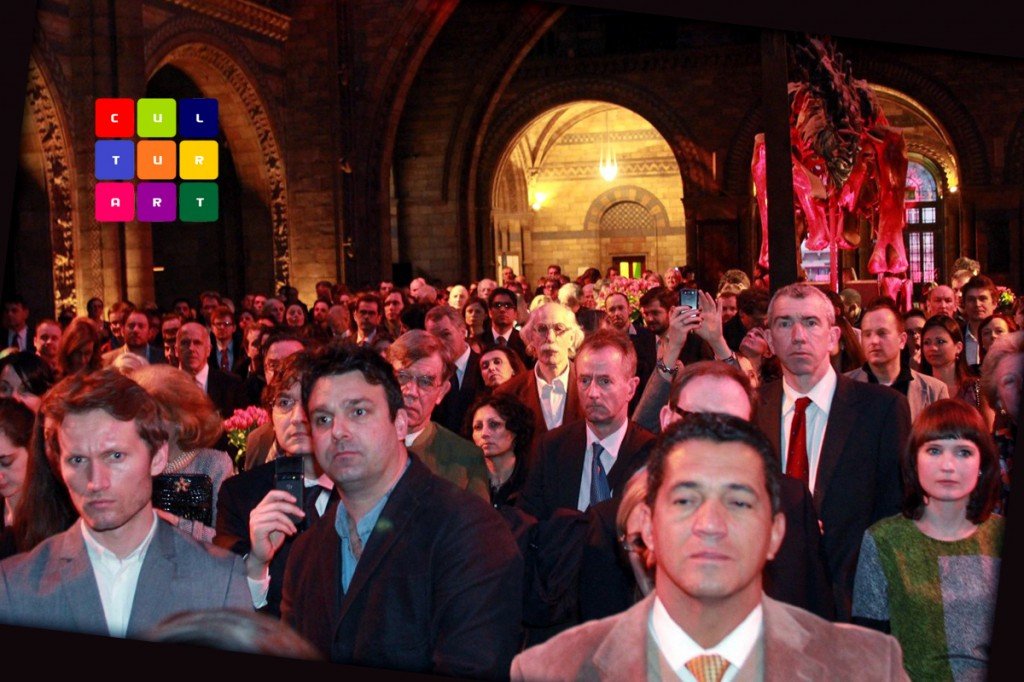
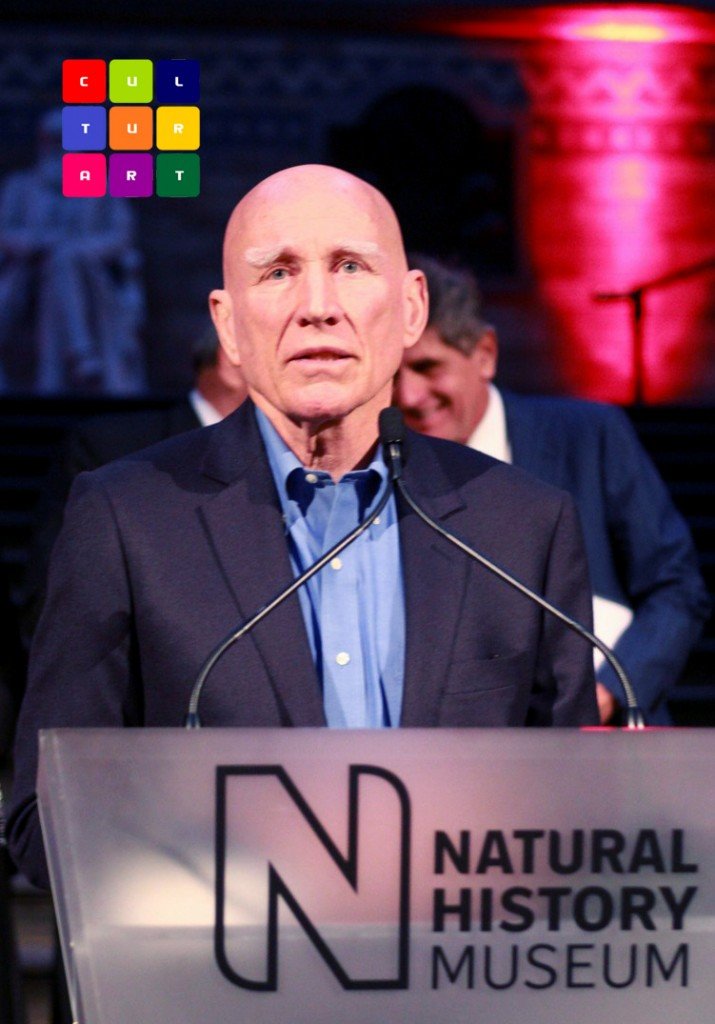
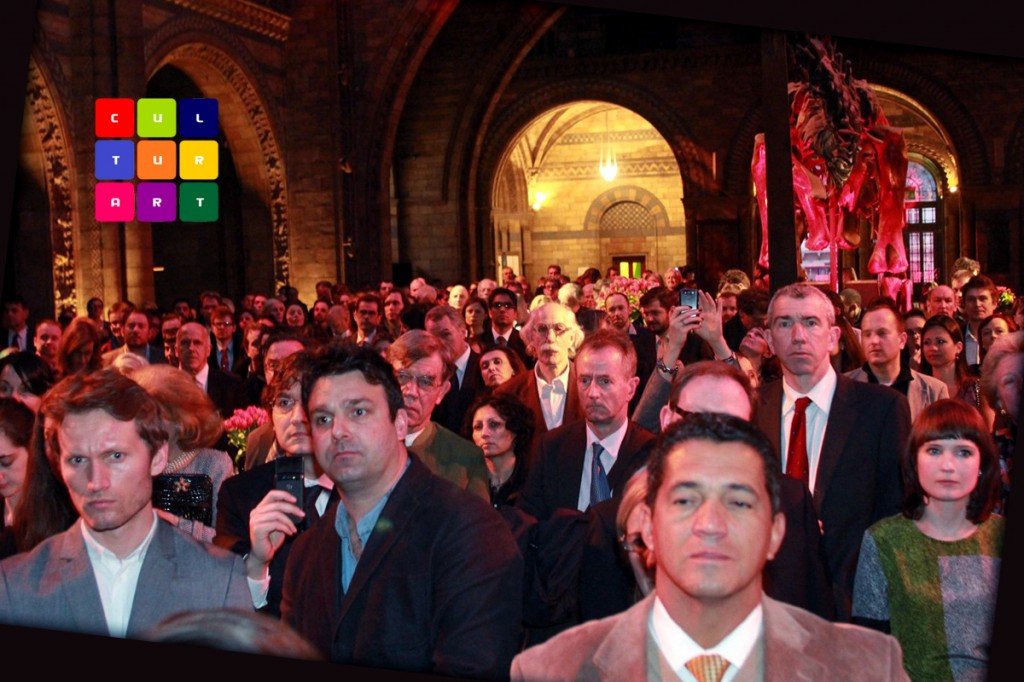
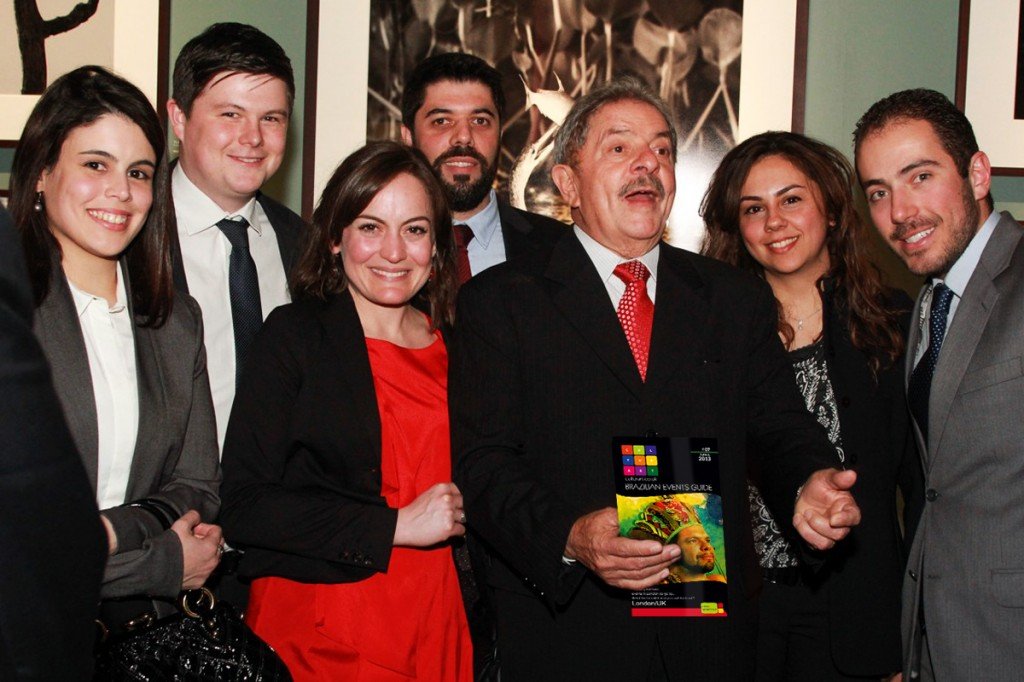
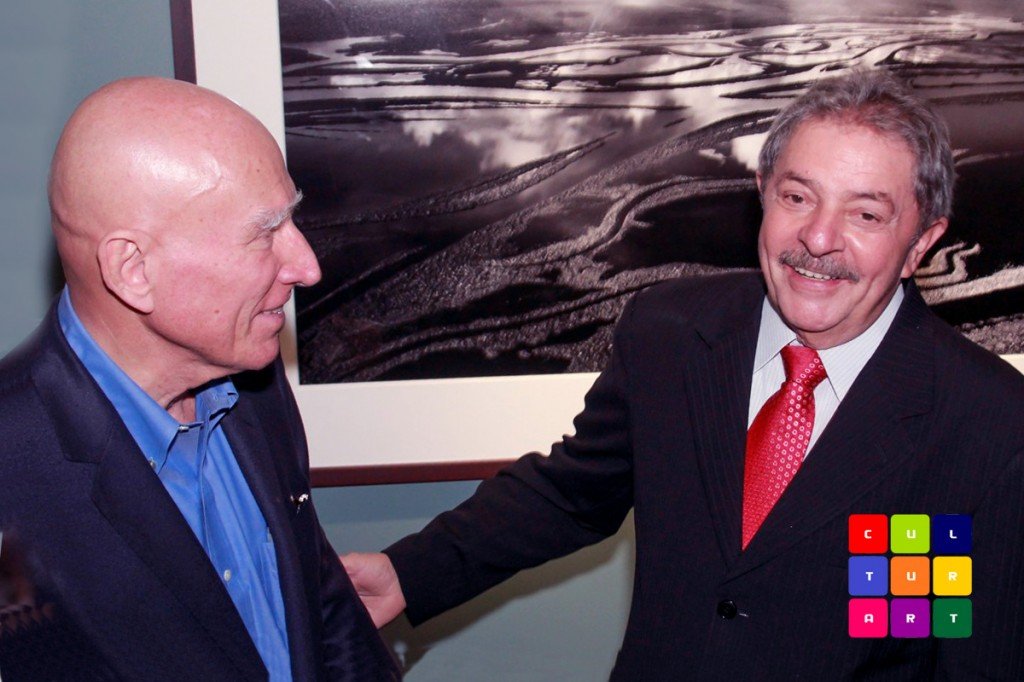
Culturart made an appearance on Tuesday 9th April, at the opening of Sebastião Salgado’s new exhibition focused on his latest project Genesis. It was a full house at the Natural History Museum, here in London, which was completely lit up with red lighting, to welcome the Brazilian photographer Sebastião Salgado who was there alongside his family and friend ex-president Lula da Silva, who opened the ceremony giving a speech about the work of “Tião” and affirming his social commitment.
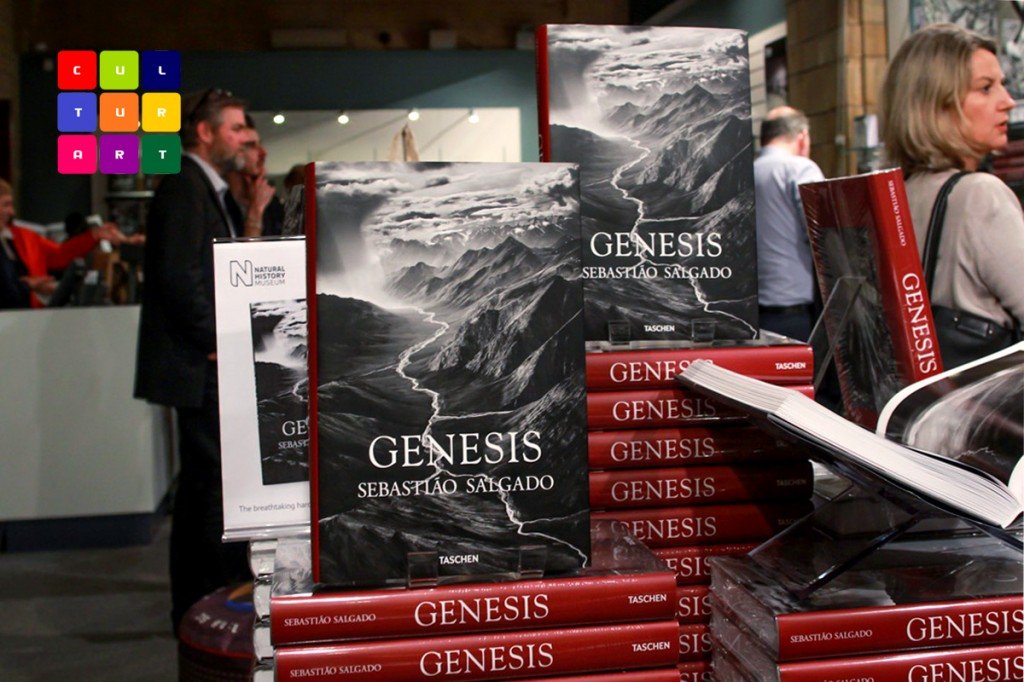
The Brazilian photographer Sebastião Salgado who is known for his project “Workers” where he documented industrial labour in 23 countries, has now turned to documenting the natural world in what he describes as its most “primitive” state. The project was produced over eight years, throughout 35 countries and includes diverse locations such as Siberia, Papau New Guinea, Alaska, The Democratic Republic of Congo and resulted in both a new exhibition and new book.

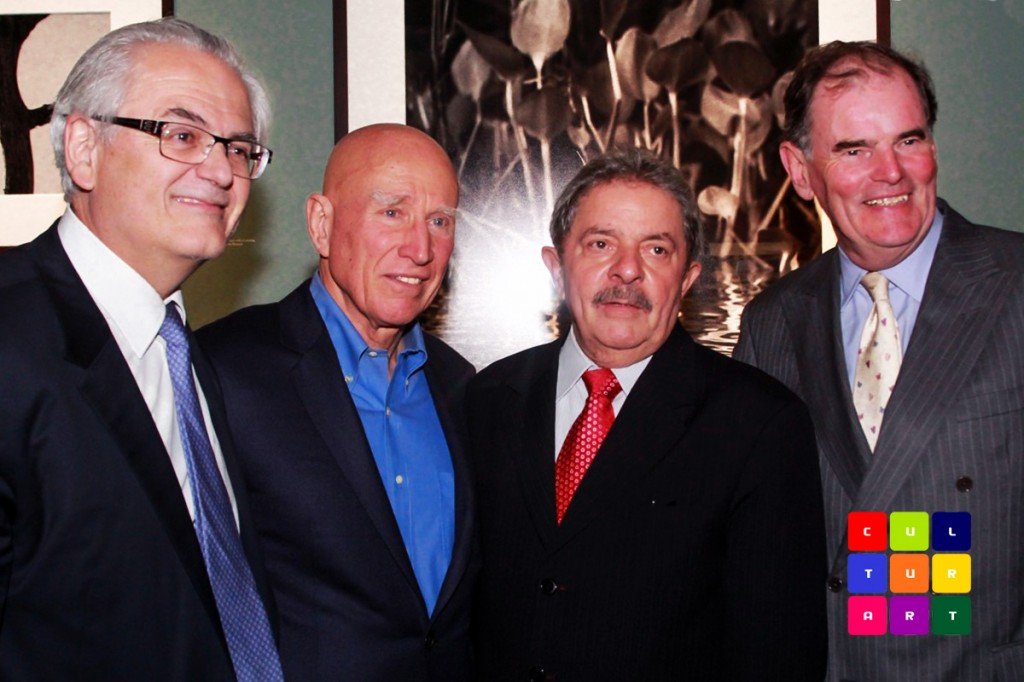
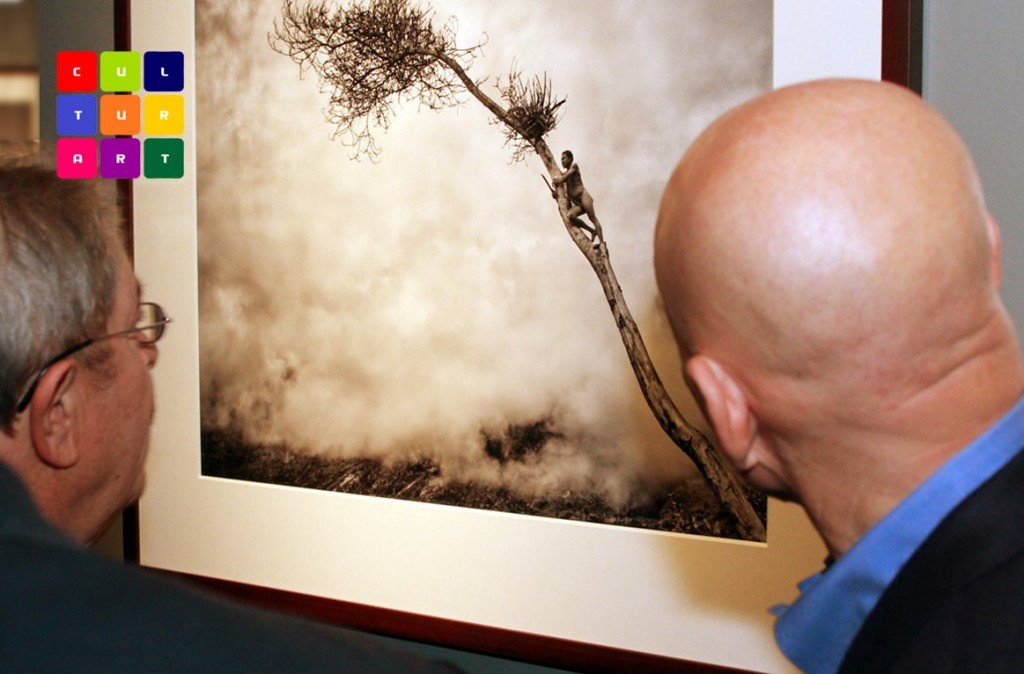
The photographs are “a call to the fight to preserve what we have. Obviously it’s not possible to ask people to return to living in the forest, but we can preserve and protect these places, are true origins” says Sebastião. After the speeches, Sebastião Salgado, Lula da Silva and Ambassador Roberto Jaguaribe moved over to the exhibition area for “Genesis”. The work is composed of 250 black and white photographs; the world’s leading photographer depicting the delicate balance between human beings and the culmination of the planet, featuring images of landscapes and wildlife next to examples of human communities that still live in the traditional way of their ancestors and cultures.
The exhibition reaffirms the Museum’s reputation as having the greatest photographic collection in the world, having also has exhibited competitions such as “Wildlife Photographer”. Sebastião still states that “This has been one of the longest photographic adventures: eight years researching, exploring and paying hommage to the legacy of unspoiled nature.I travelled around 32 countries to rediscover the mountains, deserts and oceans, the animals and people who up to now had escaped the mark of the modern world. It’s a pictorial representation of the planets lands and lives which still remain untouched. I feel that Genesis speaks urgently to our time, portraying the stunning beauty of a lost world that somehow survives”.
After his visit to London, the photographer is going on to Toronto, Rio, Rome and Paris to talk about the exhibition and corresponding book.
The exhibition has been open to the public since last Thursday and will be until September at the Natural History Museum in London.
Read more about “Genesis”:
From the flying foxes of Madagascar to congolese lava flows, a leopard drinking vigilantly from a pool in Damaraland to the cliffs of Monument Valley, Arizona, the exhibition includes an astonishing variety of images representing the natural world in its most dramatic form, using Salgado’s signature photography style of shadowy, black and white images.
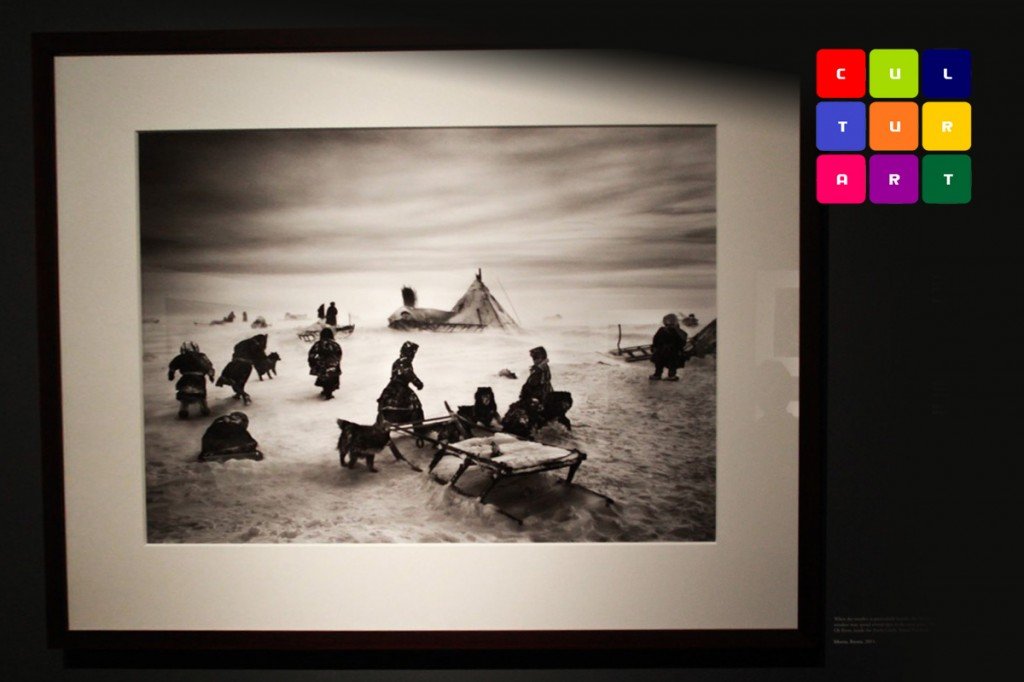
At the same time there are photographs of people who remain relatively isolated from the globalised world: the Nenets of Siberia, whose pace of life intertwines with the reindeer herds in the Arctic Circle, and the Mursi and Surma women of the Omo Valley in the South of Ethiopia, some of which use lip disks.
Salgado has described how the project came about: during an illness towards the end of 1990, he returned to the farm in Brazil where he grew up. He believed a lot had changed: the lush vegetation and rich wildlife that he remembered had withered and died.
With his wife and collaborator, Lélia Wanick Salgado, he decided to do something about this: they replanted nearly 2,000 trees and watched the landscape renew itself as birds and animales returned. The idea for Gênesis was born: both the capacity for the natural world to renew itself and the eulogy for its loss.
The project require a huge amount from the photographer, who is 69, thin and lean. He travelled for nearly eight months of every year, for a total of eight years. “I walked for 47 days with 7,000 reindeers for the Nenets”, he said. “For me, a Brazilian, being in temperatures from -35ºC to -45 ºC, spending for 10 to 12 hours outside wasn’t easy”. His specialist clothing was discarded for that of the Nenets. They said “Sebastião, you’re not going to survive”.
Endurance was also needed in Ethiopia. He added: “I walked for 850km, because there were no roads. It was an incredible journey, just fabulous, but very difficult for me – I was 65 years old at the time”. Other modes of transport used included “boats, balloons and small aircraft”.
Photos by Fernando Arroteia


VERSÃO EM PORTUGUÊS
O Culturart esteve presente na terça-feira, 09 de abril, na Abertura da Exposição de Sebastião Salgado de seu novo projeto Gênesis. O Museu de História Natural – History National Museum – aqui em Londres, estava todo iluminado com luzes vermelhas e salão cheio para receber o fotógrafo brasileiro mais importante da atualiadade, que estava ao lado de sua família e de seu amigo, o ex-presidente Lula da Silva, que abriu a cerimônia com um discurso sobre o trabalho de “Tião”, afirmando seu compromisso social.
O fotógrafo brasileiro Sebastião Salgado que é conhecido pelo trabalho “Workers”, em que documentou o trabalho industrial de 23 países. Já neste novo trabalho, ele procurou retratar o mundo natural ao qual ele considera mais “primitivo”. Foram oito anos na estrada em 35 países e em lugares tão diversos como a Sibéria, Papua Nova Guiné, Alasca e República Democrática do Congo, que resultou na nova Exposição e um Livro. As fotos são “um chamado à preservar o que temos. É claro que não é possível pedir às pessoas para voltar a viver na floresta, mas podemos preservar e proteger isso, o nosso patrimônio real” disse Sebastião.
Após os discursos, Sebastião Salgado, Lula da Silva e o Embaixador Roberto Jaguaribe seguiram para a sala onde está a exposição “Gênesis”. No trabalho, que é composto por até 250 fotografias em preto e branco, o fotógrafo líder mundial, retrata o delicado equilíbrio entre os seres humanos e a culminação do planeta e reúne imagens de paisagens e vida selvagem, ao lado de representações de comunidades humanas que continuam a viver de acordo com suas tradições ancestrais e culturas. A exposição está hospedada pelo Museu de História Natural, cuja reputação é a de melhor casa de fotografia do planeta e famoso por promover competições como “Fotógrafo da Vida Selvagem” (Wildlife Photographer).
“Esta tem sido uma das minhas mais longas aventuras fotográficas: oito anos pesquisando, explorando e celebrando o legado da natureza intocada. Eu viajei por 32 países para redescobrir as montanhas, desertos e oceanos, os animais e as pessoas que até agora escaparam da marca da sociedade moderna. É uma representação pictórica das terras e as vidas de um planeta ainda intocada. Eu sinto que ‘Gênesis’ também fala urgentemente para a nossa época, retratando a beleza deslumbrante de um mundo perdido que, de alguma forma, sobrevive”, afirma Sebastião.
Depois de vir a Londres, o fotógrafo ainda vai viajar para Toronto, Rio, Roma e Paris para falar sobre a exposição e o livro. A exposição “Gênesis” já está aberta ao público desde quinta-feira e fica em cartaz até o dia 08 de setembro, no Museu de História Natural de Londres.

LEIA MAIS SOBRE “GÊNESIS”:
A partir das raposas voadoras de Madagáscar para fluxos de lava congoleses, a partir de um leopardo bebericando vigilante de uma piscina em Damaraland para os penhascos de Monument Valley, no Arizona, a exposição apresenta uma variedade estonteante de imagens do mundo natural em sua forma mais dramática, proferida em Salgado marca, profundamente sombrio, preto e branco.
Paralelamente são fotografias de pessoas que permanecem relativamente isolado do mundo atual globalizado: os Nenets da Sibéria, o ritmo de cuja vida se confunde com a rena que manada sobre a tundra no Círculo Polar Ártico, e as mulheres Mursi e Surma de Omo vale , sul da Etiópia, algumas das últimas pessoas a usam lábio-placas.
Salgado descreveu como o projeto surgiu: durante um ataque da doença no final de 1990, ele voltou para a fazenda no Brasil, onde ele cresceu. Ele achou muito mudou: a vegetação exuberante e rica vida selvagem lembrou tinham murchado e recuou.
Com sua esposa e colaboradora, Lélia Wanick Salgado, ele decidiu fazer algo sobre isso: eles replantadas árvores quase 2m e observou a paisagem renovar-se como pássaros e animais devolvidos. A idéia de Gênesis nasceu: tanto elogio à capacidade do mundo natural se renovar e elegia para a sua perda.
O projeto exigiu resistência enorme do fotógrafo, que é um 69 magros e pegajoso.
Ele viajou por cerca de oito meses do ano, por oito anos. “Eu andei por 47 dias com 7.000 renas para os Nenets”, disse ele. “Para mim, um brasileiro, em temperaturas de-35C,-45C, gastando 10 ou 12 horas fora não foi fácil.” Sua roupa especialista foi descartado em favor de kit do Nenets. “Eles disseram, ‘Sebastião, você não vai sobreviver.”
Resistência também foi requerido na Etiópia. Ele acrescentou: “Eu andei 850 km, pois não havia estradas Foi uma viagem incrível, fabuloso, mas para mim muito difícil – eu tinha 65 anos.”. Modos de transporte também incluiu “barcos, balões e aviões de pequeno porte”.