Review: How was the 6th Brazilian Festival Film?
17 May, 2014
Read in English |Leia em PortuguA?s
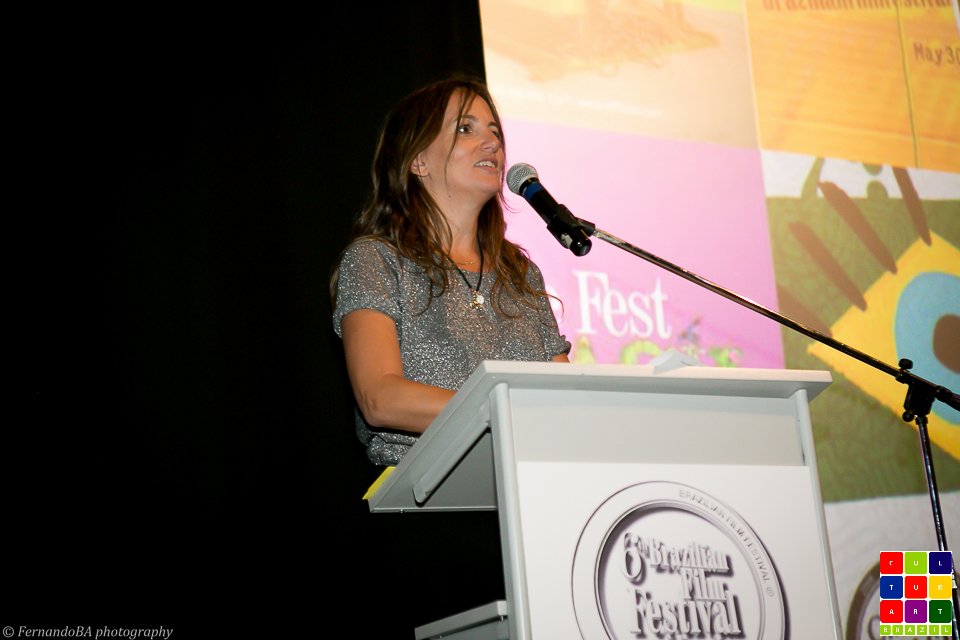
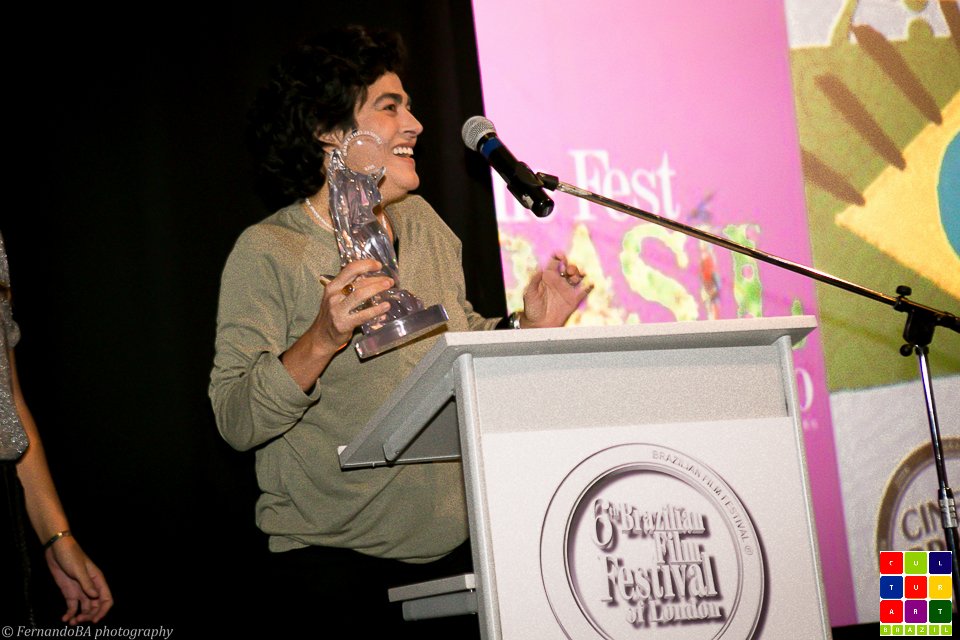
Brazilian Film Festival of London: win for all
By Rodrigo Santos (Culturart Brazil)
One could wonder how the film festivals promoted by Inffinito would be affected in 2014, the year where, apparently, only football matters in Brazil (and the world?). Maybe it would be a smaller event? Maybe there would be no festival at all? No, sir. Not for that team behind this remarkable initiative, who fight to divulge Brazilian cinema around the world like no one else.
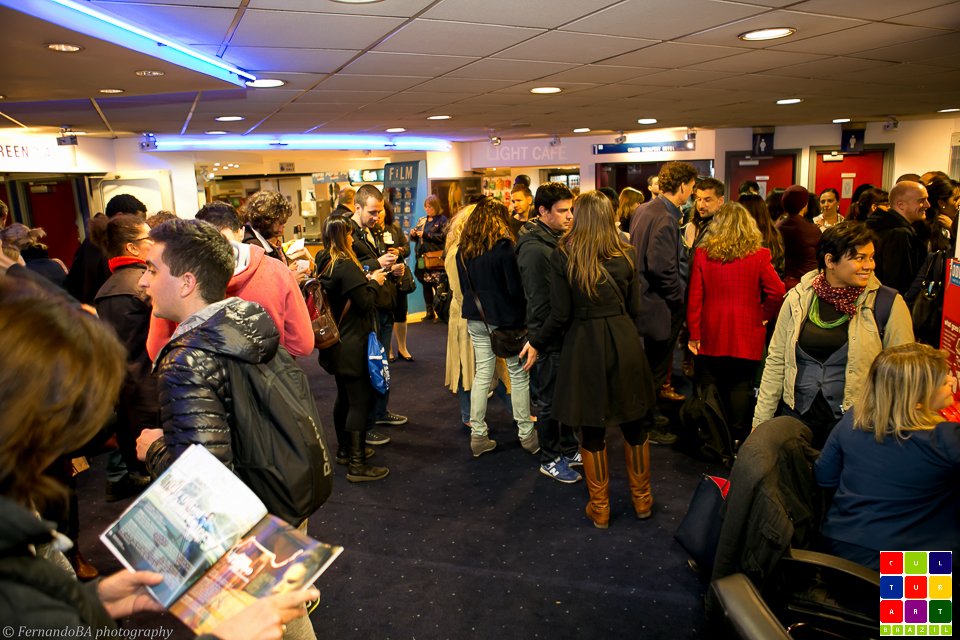
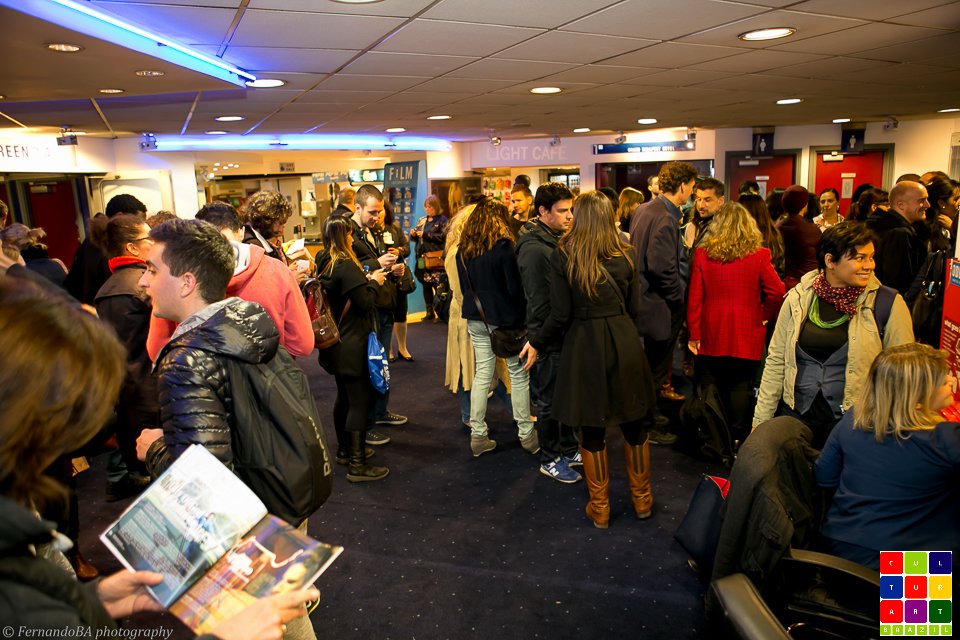
The first 2014 stop was London, and moving from September to May has proven to be a great (if necessary) decision, according to the organizers – more public, more tickets sold, less competition from other festivals in town. Even the miserable early-Spring weather proved good company for Londoners, who packed the Odeon Covent Garden screens. They had good reason to.
The 2014 festival selection was probably the best Londoners have seen since its first edition, six years ago. It was a joy to witness the audienceai??i??s amazement every time legendary actress Regina Duarte uttered an outrageous line on the big screen (Never Too Old To Meow); or when world famous photographer SebastiA?o Salgado told never-heard behind-the-scenes stories of his amazing work (Meeting SebastiA?o Salgado, winner of Popular Juryai??i??s big prize, the third consecutive documentary to do so), or when a short film touched the spectatorA?s hearts in less than 10 minutes in a way that not even the average sum of the films they’ve watched all year long had done.
It was almost impossible to stop whistling or singing after ai???Samba da BA?nAi??A?oai??? by VinAi??cius de Moraes, which played before every film, in a homage to the composerA?s centenary. Itai??i??s no wonder Time Out and all major media channels didn’t hesitate in highlighting the Brazilian Film Festival in Londonai??i??s cultural calendar. Great new popular films + staffA?s smiles all around + free cocktails and pA?o de queijo + awesome opening and closing parties = a win for all. Please come back soon, dear festival. With or without that Cup.


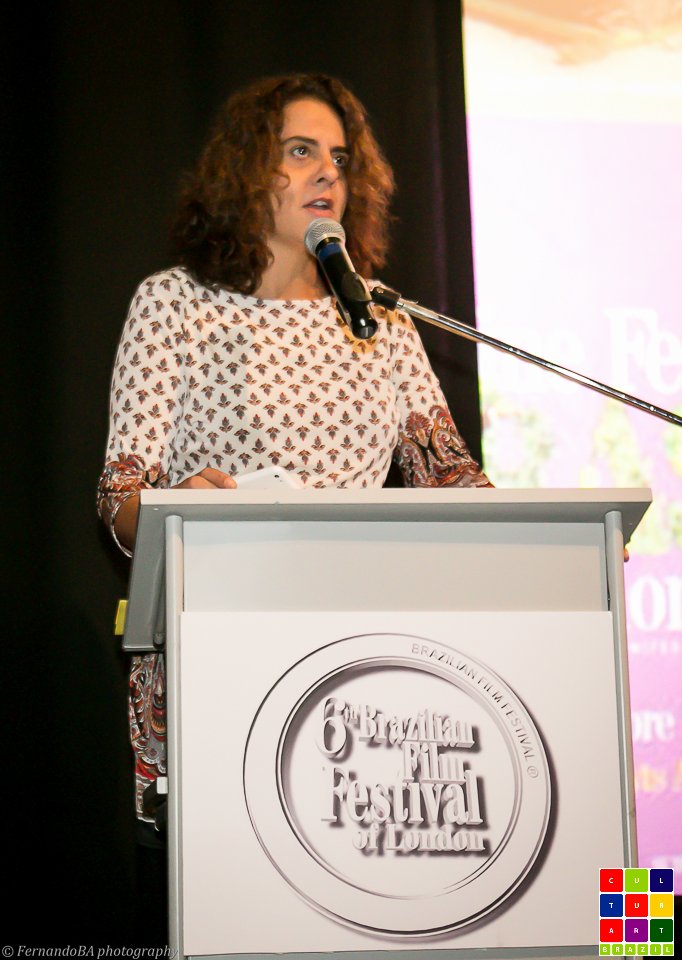
6th Brazilian Film Festival, London May 9th-13th
Ai??By Graham Douglas (The prisma) This yearai??i??s festival, brought forward from July because of the World Cup in Brazil, had more and better films than last year, with 8 shorts and 10 features, rated by the audience, plus Bald Mountain (Serra Pelada) which was shown on the last night. The feature film winner was the documentary Revelando SebastiA?o Salgado, with ai???revelandoai??i?? translated as ai???revealingai??i?? in English, which loses the double meaning in Portuguese of developing a film as well as a character. The film showed scenes from his whole life, with family photos and stories told by him. I liked the one about his mother taking him to an esoteric healer who encouraged him to open up his world. His mother said later she wasnai??i??t so happy because it was opened up so much that he walked through the gap and disappeared! Born in a small town in Minas Gerais in 1944, he trained as an economist, and this theme began to appear in his later work, where he was concerned to document the exploitation of workers, and the environmental damage caused by uncontrolled development. Serra Pelada, with its Dante-esque vision of human nature, was of course the story that brought him international recognition. The film, originally made for TV, is the first with Salgado in Portuguese, which reflects the fact that his work and he himself are less well-known in Brazil than abroad. The director, Betse de Paula knew Salgadoai??i??s family for 20 years. Photographing a world-famous photographer in his own home was some challenge, and she explained in her Q&A how she tried to minimise intrusion and to film without bright lights, in tune with Salgadoai??i??s own technique. My own favourite film was The Invisible Collection directed by Bernard Attal. The film is based on the book by Stefan Zweig, published in 1927, but filmed in contemporary Bahia. During the Q&A, audience members congratulated the director on showing exactly how this part of Brazil is today, in almost documentary fashion. Attal tells the story of the destruction of the Cocoa plantations by a plague in a separate film, Los Magnificos. The Invisible Collection is billed as a thriller, which it is in the sense of having a mystery to uncover, but the emotional intensity generated by the family secret, the portrayal of the effects of social isolation and economic catastrophe, are what for me make it a great film. There is an emotional collision between the young man needing money for his family, and traumatized by the death of his friends in a car crash; and Saada the perceptive and tough daughter of the collector. Remembering films like Elvis and Madonna, I was expecting too much from the main comedy, The Dogknapper. I laughed a lot in the first half hour, and again later, but the film was at least 30 mins too long, and the ending far too literal and drawn out to be funny or even convincing. The short documentary film shown with it was very funny and touching. In 15 minutes, Jessy, directed and acted in by Paula Lice, is her one night stand as a drag artist in fulfilment of the childhood dream of the character she played as a child actor. The film celebrates the drag scene in Salvador de Bahia, and is a shorter version of the documentary Jessica Cristopherry! Tattoo is the story of an anarchic cabaret which survived in the Northeast of Brazil during the dictatorship. In this remote place politics can be satirised without too much risk, and thanks to a sympathetic censor. As the producer, Joao Vieira Junior pointed out, the political issues of this time are still live in Brazil, and with the National Truth Commission due to report this year, the film has stimulated debate about the repression of that time. It is relevant to the conservatism appearing in many countries today, in reaction against abortion rights and gay marriage. But the film is not just political protest, it is mainly a drama centred on the personal transformations of the two main characters. ClAi??cio is the lead actor and director of the outrageous cabaret, ai???we celebrate the arse, because itai??i??s democratic: everyone has one!ai??i?? But he is also married with children. When he and a young military conscript Arlindo fall in love, it challenges his integrity as a liberated artist to be sincere, and brings him into conflict with his wife, who doesnai??i??t want their son having anything to do with soldiers. Arlindo has found the window to freedom he was looking for, and the tattoo is the indelible mark of that. After this I am very much looking forward to BRAFF 7 next year!
Ai?? Ai?? Many thanks to The Prisma (www.theprisma.co.uk)